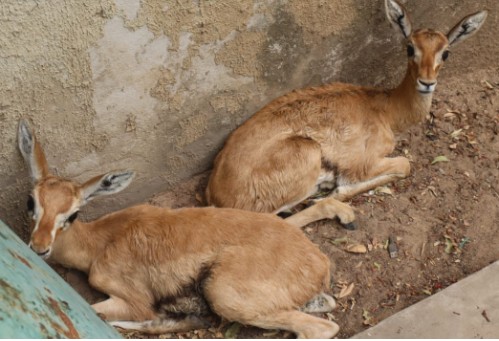
On April 22, 2026, in Maiduguri, Borno State, Nigeria, officers from the Nigeria Customs Service (NCS) Borno/Yobe Command carried out a targeted vehicle stop on a suspect vehicle believed to be transporting illegal wildlife. The operation, now referred to as Operation Honda, resulted in the rescue of 20 live animals destined for the illegal wildlife trade.
Although the trafficker fled the scene during the stop, Customs officers successfully secured the animals, demonstrating both vigilance and growing operational readiness in a region increasingly impacted by wildlife trafficking. This outcome reflects the continued efforts of Focused Conservation and the Nigeria Customs Service Special Wildlife Office (SWO) to raise awareness and strengthen frontline detection capabilities.
The animals recovered included:
- 4 African Fish Eagles
- 2 Servals
- 2 Red-fronted Gazelles
- 11 West African Mud Turtles
- 1 African Crested Porcupine
Wildlife trafficking remains a significant and growing threat in Nigeria and across West Africa. The country is recognized as a major transit hub for illegal wildlife products, with traffickers exploiting porous borders and established smuggling routes. According to global estimates, the illegal wildlife trade is valued at up to $20 billion annually, making it one of the most lucrative forms of transnational organized crime. In Nigeria specifically, seizures of pangolin scales, ivory, live birds, reptiles, and other protected species continue to highlight the scale and diversity of the trade.
Following the seizure, a coordinated response was immediately activated. In collaboration with the Special Wildlife Office, Focused Conservation facilitated a rapid recovery plan involving Greenfingers Wildlife Conservation Initiative and the Nigeria National Park Service. This partnership ensured the safe transfer, quarantine, and ongoing care of the rescued animals.
The speed and coordination of this response were critical. Many trafficked animals do not survive the conditions in which they are transported. In this case, the quick action taken by all partners likely saved the lives of these animals, offering them a chance for recovery and, where possible, eventual reintroduction into the wild.
Operation Honda underscores the importance of intelligence-sharing, training, and multi-agency collaboration in disrupting wildlife trafficking networks. While challenges remain, each successful intervention represents a step forward in protecting Nigeria’s biodiversity and holding traffickers accountable.
Focused Conservation remains committed to supporting partners on the ground, strengthening enforcement capacity, and ensuring that wildlife crime is met with decisive, coordinated action.