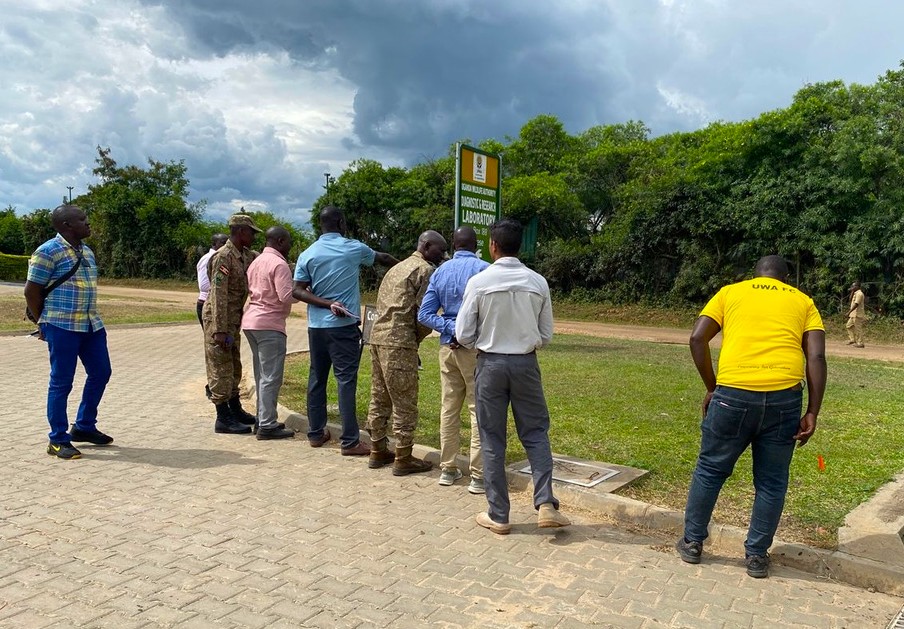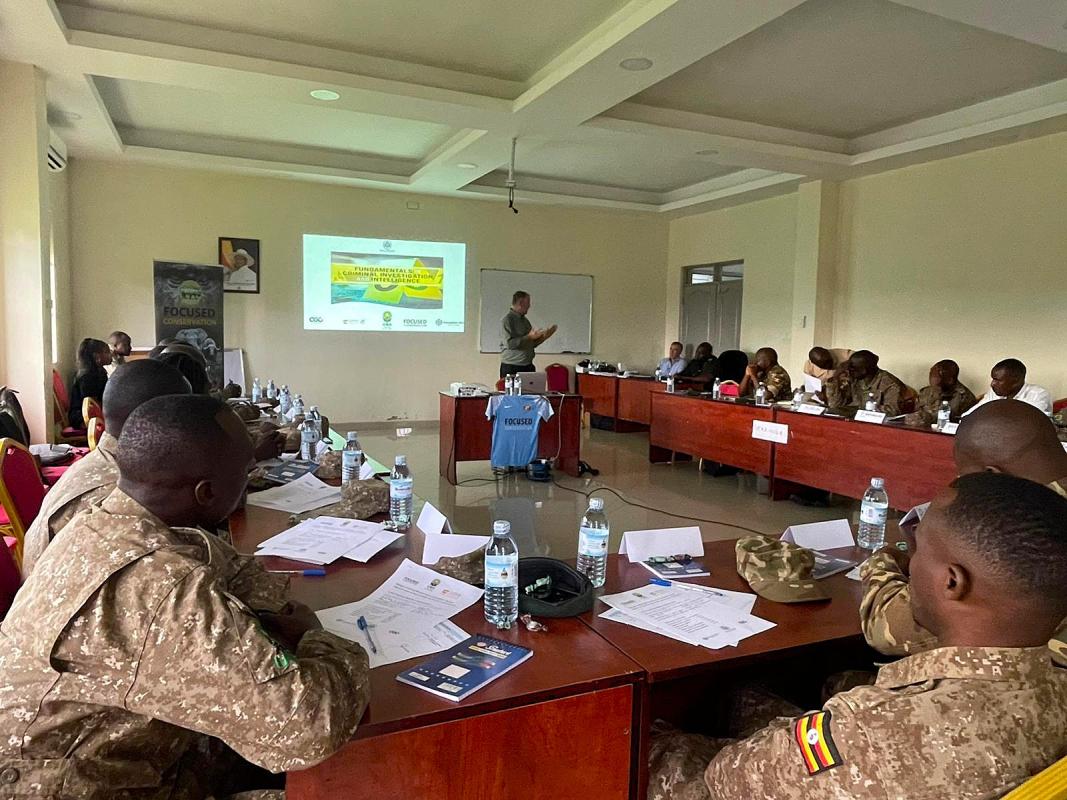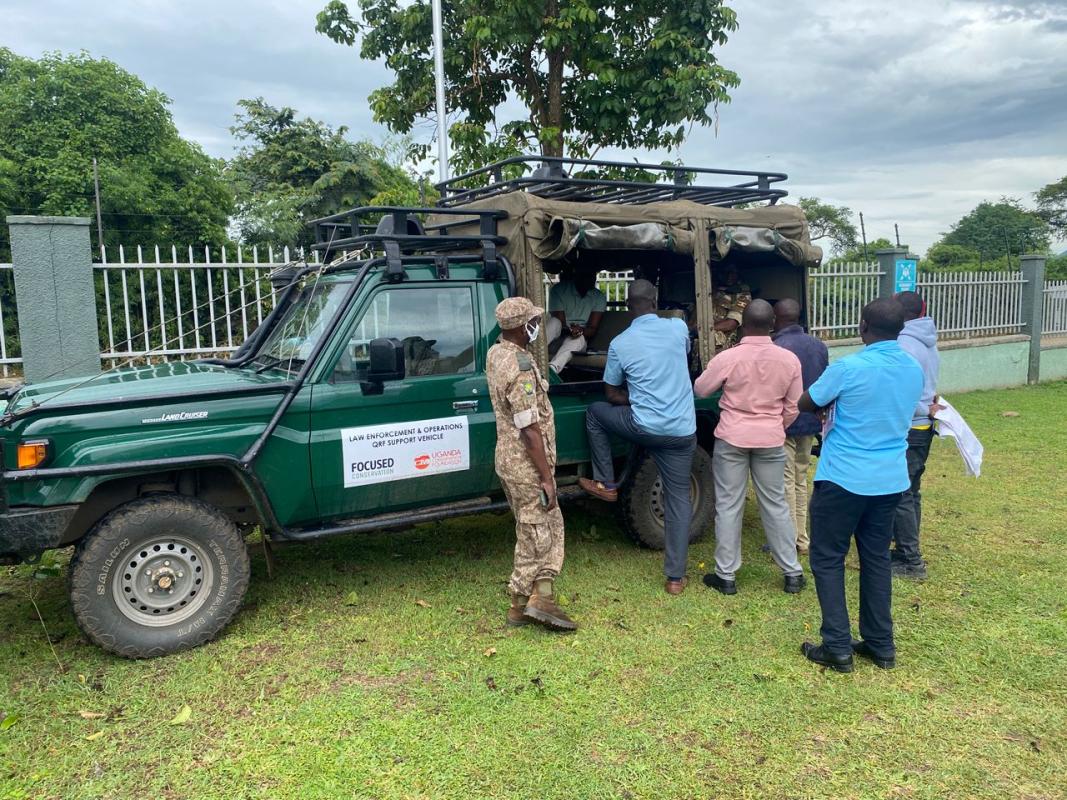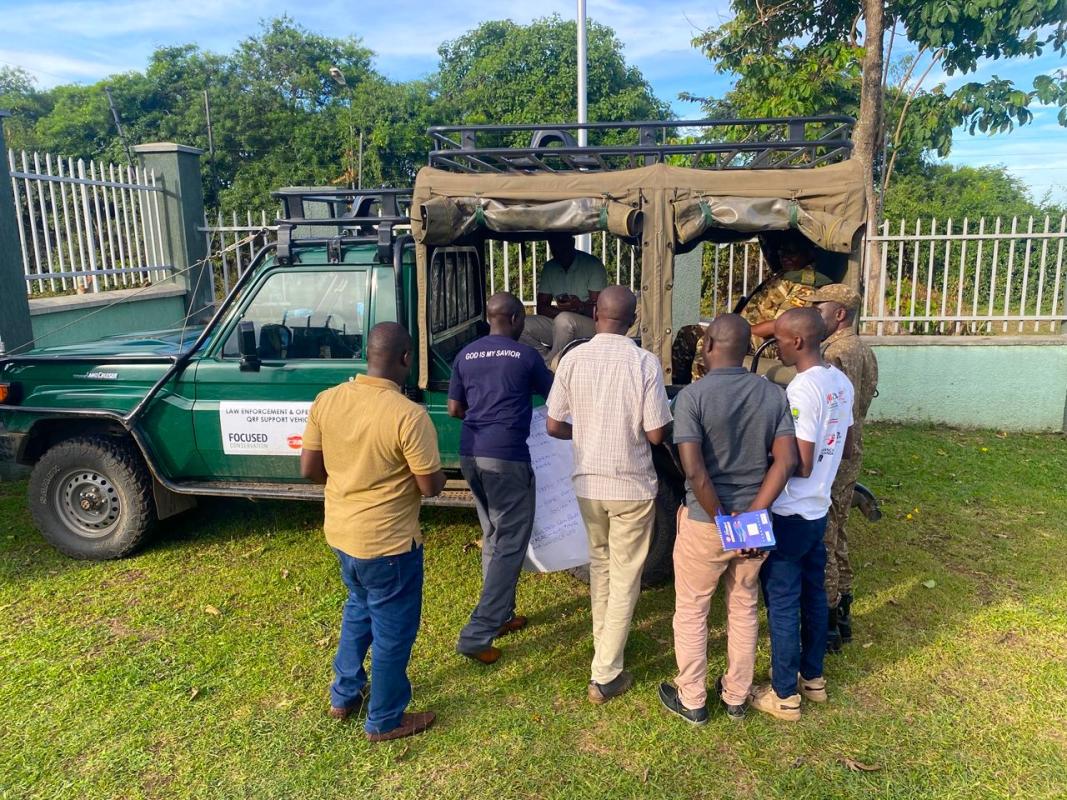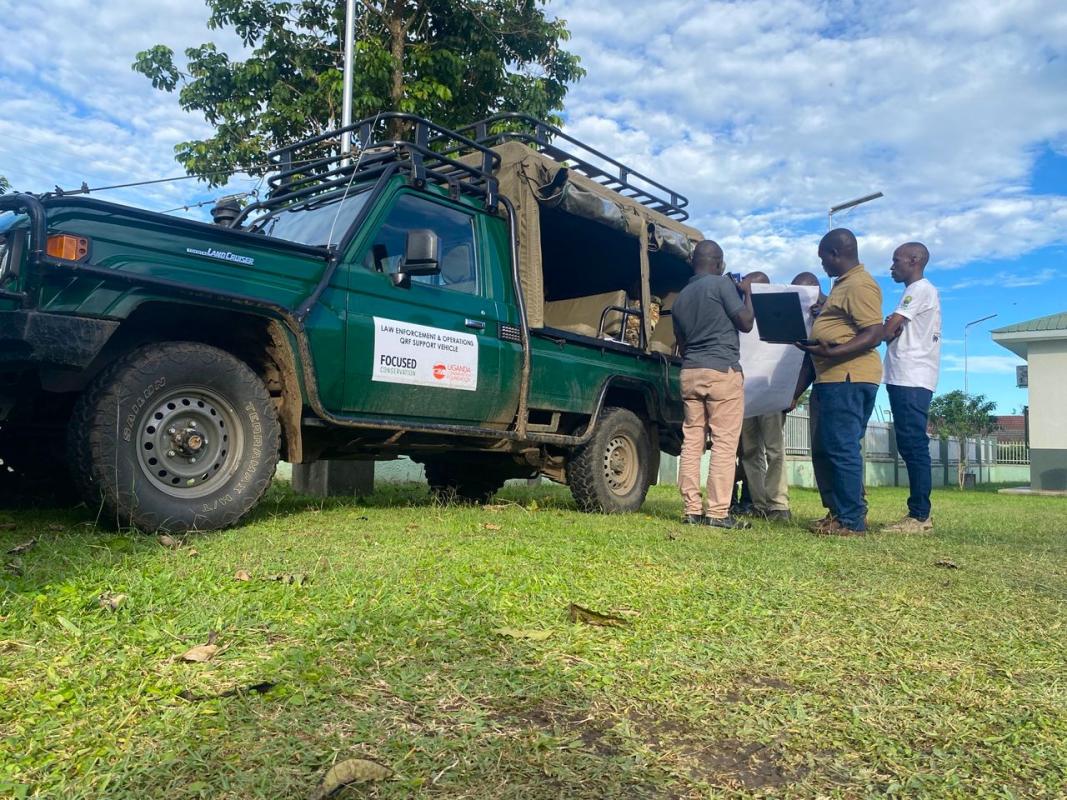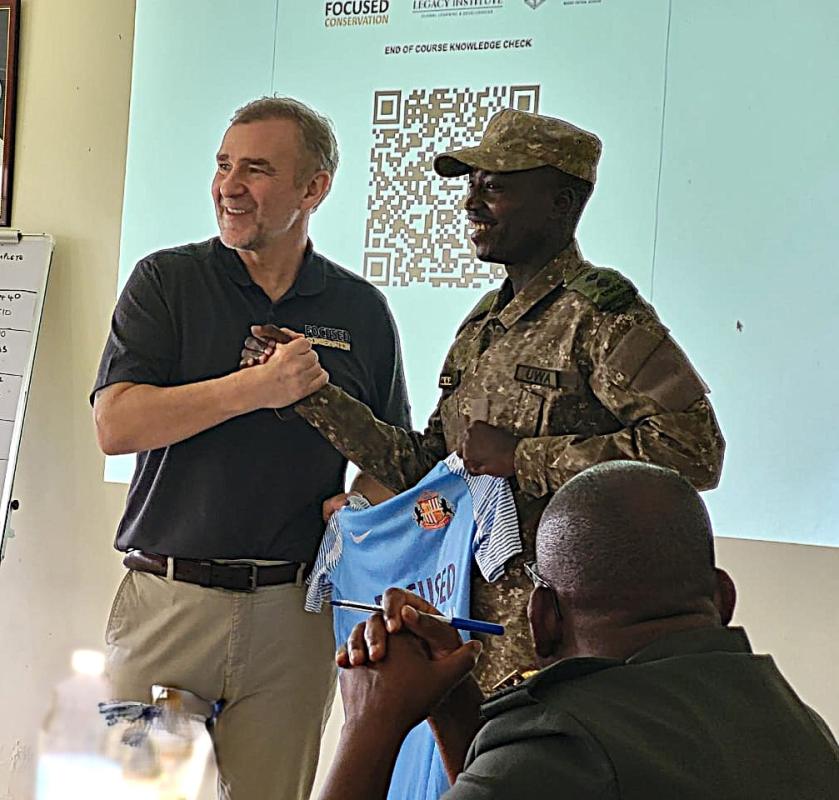
In April 2026, Focused Conservation launched its Legacy Program pilot officer training initiative in Uganda, bringing together experienced conservation professionals, wildlife crime investigators, and frontline field specialists to deliver a highly practical and immersive approach to wildlife investigation and intelligence development.
Held in Queen Elizabeth National Park in Uganda alongside conservation and protected area partners including the Uganda Wildlife Authority and the Uganda Conservation Foundation, the program represents a significant step toward strengthening long-term officer capacity through mentorship, operational experience, and collaborative field instruction tailored to the realities wildlife officers face across Africa today.
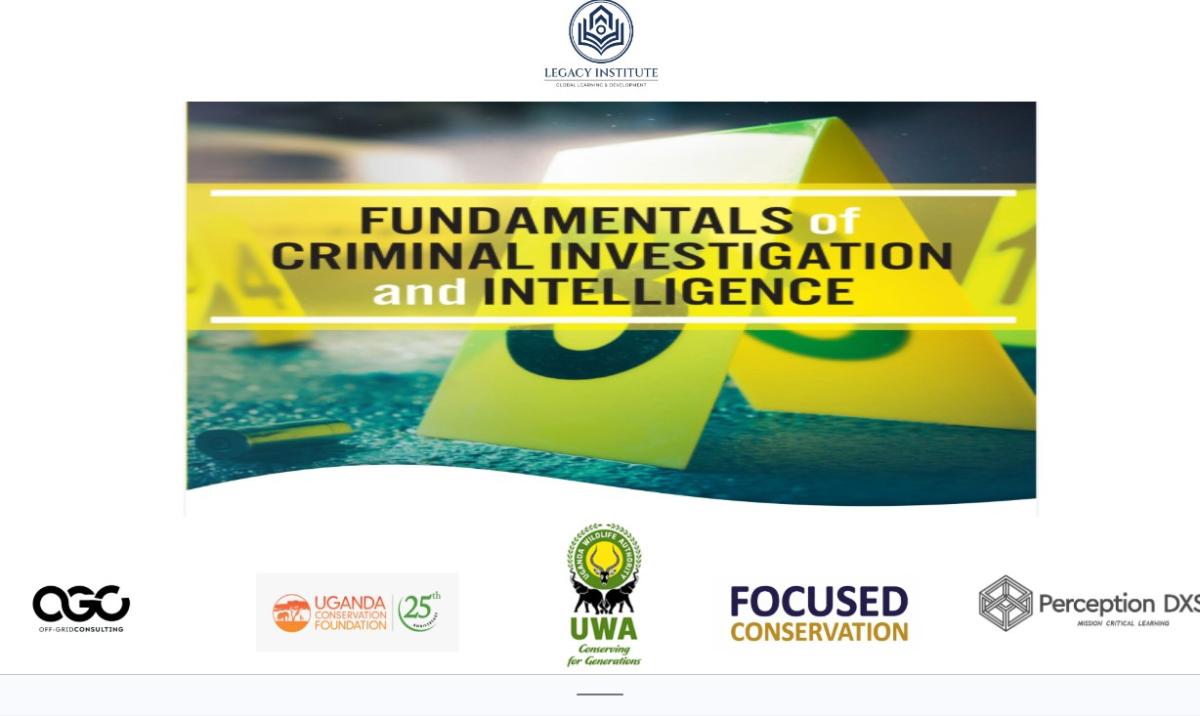
The Intelligence and Investigation training program was carefully developed in collaboration with Focused Conservation partner Perception DXS to strengthen officer capacity through real-world experience, operational knowledge, and cross-disciplinary instruction specifically designed for the complex challenges wildlife officers face across Africa today.
Support from Perception DXS resulted in the successful creation and development of the bespoke “Legacy Institute” platform, a custom-built Learning Management System designed specifically for Focused Conservation to support investigation and intelligence officer training not only in Uganda, but also across other countries engaged in combating transnational wildlife crime. Perception DXS is a specialized consultancy based in the United Kingdom focused on learning and development for high-stakes sectors including defense, law enforcement, and government.
The program represents a unique effort to strengthen ranger capacity through real-world experience, operational knowledge, and cross-disciplinary instruction designed specifically for the challenges wildlife officers face across Africa today.
Unlike traditional classroom-only approaches, the training combines conservation fieldcraft, wildlife crime awareness, intelligence-led operations, evidence handling, situational decision-making, and leadership development into a single integrated program. The goal is not only to improve officer capability in the field, but also to help build long-term confidence, professionalism, and operational effectiveness among the officers responsible for protecting Uganda’s wildlife and protected areas.
“Wildlife officers operate in increasingly complex environments,” said Marty Young, Focused Conservation Technical Advisor involved in the initiative. “Today’s threats involve organized trafficking networks, sophisticated poaching operations, and expanding pressure on natural resources. Effective training has to go beyond theory. Officers need practical instruction grounded in real operational experience.”
The Legacy Program pilot draws on the diverse backgrounds of instructors and advisors who have spent decades working in wildlife law enforcement, conservation operations, international investigations, officer development, and protected area management. This combination of expertise allows participants to learn directly from professionals who have worked complex wildlife crime cases, supported anti-trafficking investigations, trained international officers, and operated in challenging field environments around the world.
Focused Conservation says this type of mentorship-driven training differs significantly from many traditional programs by emphasizing practical operational experience, intelligence development, investigative thinking, and real-world conservation challenges rather than relying solely on classroom instruction.
A major focus of the initiative is helping officers better understand the connection between frontline patrol work and larger transnational wildlife trafficking networks. Through scenario-based exercises and operational discussions, participants are introduced to methods used by criminal organizations involved in poaching and trafficking, while also learning how officer observations and reporting can contribute to broader conservation enforcement efforts.
The training also emphasizes teamwork, communication, and collaboration between units and partner agencies. Organizers say this cooperative approach is essential for long-term conservation success and reflects the growing need for stronger coordination between protected area personnel, wildlife authorities, enforcement agencies, and conservation organizations.
Uganda’s protected areas are home to some of Africa’s most iconic wildlife species, including elephants, great apes, lions, and numerous threatened species vulnerable to habitat loss and illegal exploitation. Wildlife officers remain the first line of defense in protecting these ecosystems, often working in remote and demanding conditions.
Focused Conservation believes investing in officer development is one of the most important long-term strategies for protecting wildlife and strengthening conservation outcomes.
“What makes this program different is that it is built around mentorship and shared operational experience,” Young explained. “This is not simply a lecture-based course. It’s a collaborative environment where officers can engage directly with instructors, discuss real challenges, and develop skills they can immediately apply in the field.”
The pilot initiative is also intended to help evaluate new training methods and identify opportunities for expanded regional support in the future through the broader Legacy Program framework. Organizers hope the lessons learned in Uganda can help shape additional officer development programs in other conservation landscapes facing similar challenges.
Focused Conservation also expressed appreciation to the many partners and individuals who helped support the initiative and contribute to its success, including the US Department of State, Bureau of International Narcotics and Law Enforcement Affairs (INL). Organizers noted that collaborative partnerships remain essential to strengthening wildlife protection efforts and supporting the professional development of frontline rangers.
As the program continues, Focused Conservation and its partners remain committed to supporting the men and women working on the frontlines of wildlife protection.
Through innovative training, operational mentorship, and international collaboration, the initiative reflects a broader commitment to strengthening conservation capacity where it matters most, in the field.